
Screen Printing or Etching: Which Decoration Is Right for Your Label?
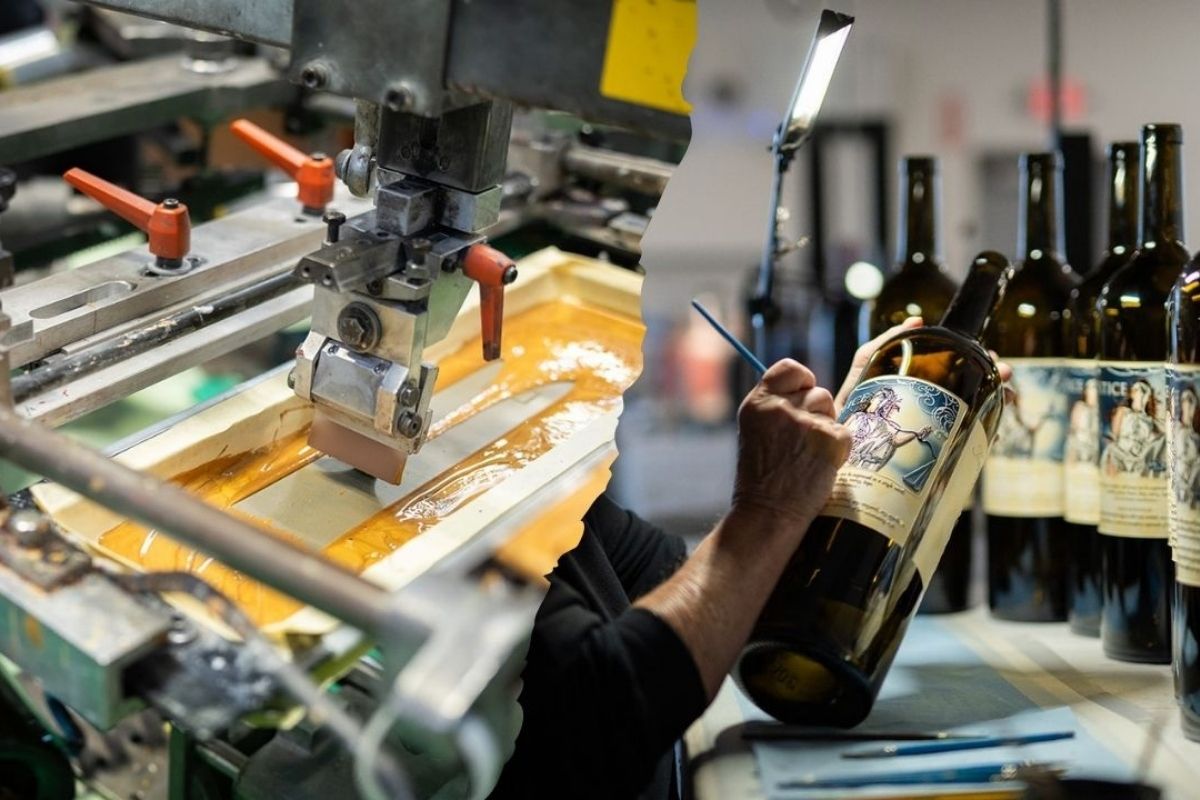
Selecting the right decoration method for your wine bottles shapes how your brand appears on the shelf and in customers’ hands. Both screen printing and etching transform glass into a canvas that communicates your winery’s story, yet each technique delivers distinct visual results, durability characteristics, and production requirements.
Understanding these differences helps you match method to purpose, whether you’re bringing an approachable everyday wine to market or marking a milestone with a one-of-a-kind bottling.
Screen Printed vs. Etched Wine Bottles — Key Differences
Screen printing and etching on glass bottles share a common goal: producing a lasting design that becomes part of the bottle itself. Beyond that shared goal, they differ entirely in process, materials, and technique – resulting in unique visual and tactile effects suited to different production needs.
Appearance & Branding Capabilities
Screen printed wine bottles showcase inks ranging from delicate transparencies to vibrant hues applied directly to the glass. This method excels at tight registration with bold multi-color labels and the use of precious metal inks (copper, gold, and platinum) that convey luxury without additional embellishment. Because screen printing applies ink in layers, you can achieve complex designs with custom color matching and textured effects that catch light and draw the eye from across a tasting room.
The technique also enables 360° wraparound designs as well as neck and shoulder decoration, treating the entire bottle as a unified canvas. This capability proves valuable for wineries seeking maximum branding real estate, with precise processes that allow integration of the bottle seam within the design for a completely seamless look. With its controlled ink application, screen printing delivers consistent color across even the largest production runs, keeping your brand’s look uniform from the first case to the ten-thousandth.
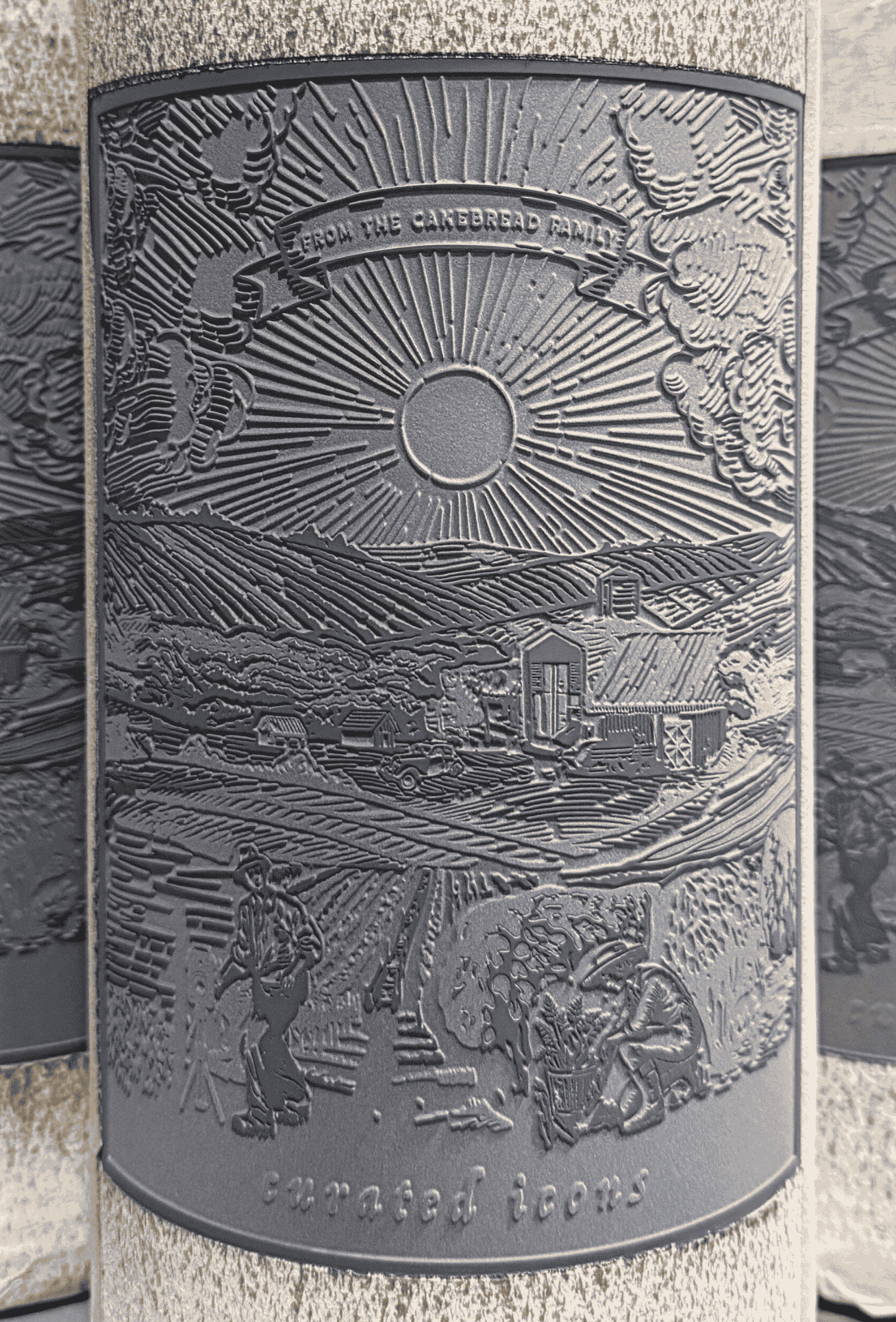
etched wine label design
Etched wine bottles reveal a textured, tactile surface created through sandblasting, where artisans carve the glass with controlled technique. Each bottle becomes a one-of-a-kind piece, with subtle variations that highlight the human touch. Our artisans etch millimeters into the glass, then finish by hand painting each bottle. The process requires tremendous skill to engrave intricate line work and fine details with such precision. Its custom nature lets nearly any piece of artwork or paper label be transformed into a unique, hand-etched bottle. When combined with hand-painted color fills, these bottles become true collectible art – ideal for auction lots, wine club exclusives, or commemorative releases.
The etched surface creates depth and dimension that shifts under different lighting, offering a refined elegance distinct from the bold vibrancy of screen printing. This makes etching particularly effective for expressing heritage, terroir narratives, or artistic collaborations, where the bottle itself becomes part of the story.
Durability & Surface Longevity
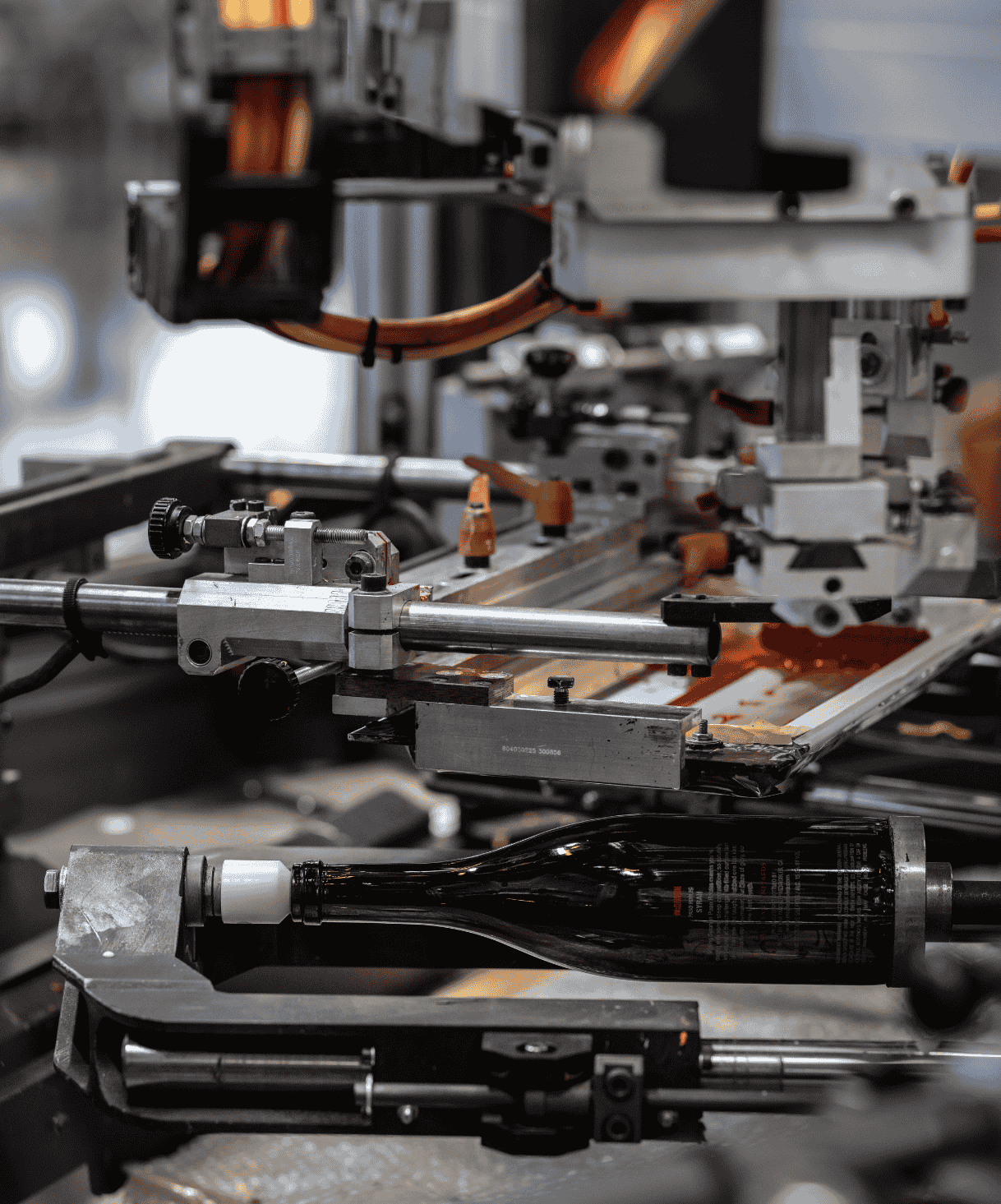
screen printing process
Screen printing on glass bottles requires empty glass because the inks are cured at high temperatures to permanently bond with the surface. Once printed, bottles pass through a Lehr where temperatures can reach up to 1180°F, fusing the design into the glass itself. This heat-set process creates exceptional durability, screen-printed artwork won’t scratch, fade, or wash away, even through refrigeration, ice buckets, or repeated handling. The result is a resilient, easy-to-clean decoration ideal for both retail environments and restaurant service.
Etched wine bottles achieve permanence through material removal rather than addition, with designs carved directly into the glass. Because etching is a cold process, it accommodates bottles already filled and sealed – a practical advantage for limited releases, event-specific packages, or last-minute personalization requests. The tactile quality of wine bottle decoration through etching becomes more pronounced with handling, as the engraved texture provides both visual and sensory distinction.
Cost and Production Requirements
Screen printing on bottles is a cost-competitive decorating method for wineries across a wide range of production sizes. Whether you’re printing a small, specialty run of 250 cases or scaling up to 100,000 cases, the process adapts efficiently. Once screens are created, each bottle moves through a streamlined workflow making screen printing an effective solution for limited releases, estate programs, and high-volume bottlings alike.
Lead times for screen printed wine bottles typically span several months from artwork approval to delivery, allowing integration into standard bottling schedules. The method suits wineries seeking durable, repeatable branding across multiple SKUs or vintage years.
Etching on wine bottles requires no minimum order quantity, making it accessible for small-batch projects, special events, or test designs. Each bottle passes through artisan hands for etching and painting, with quantities ranging from a single bottle to 5,000 bottles across every format size from 375ml to 27L. This labor-intensive process commands higher per-unit costs but delivers unmatched customization. Etching timelines depend on the complexity of the artwork, allowing for curing times between hand-painted color layers and thorough quality control to ensure each bottle meets our highest standards.
This flexibility benefits wineries managing tasting room exclusives, wine club allocations, distributor gifts, or auction packages where production quantities shift based on demand. The investment reflects the artisan labor and singular nature of each piece, positioning luxury wine packaging as both bottle label and collectible art.
Which Bottle Decoration Method Is Best for Your Brand?
Matching decoration method to purpose begins with understanding your brand, release strategy, and customer expectations. The decision extends beyond aesthetics to encompass production logistics, inventory planning, and the role each wine plays in your portfolio.
Aligning With Tiered Wine Releases (Reserve vs. Everyday)
Screen printing offers versatility for both everyday and reserve wines, whether for vibrant multi-color designs or minimal, single-color labels. It delivers precise registration, consistent branding across any production scale, and color work that performs under retail lighting.
Etching, in contrast, communicates exclusivity through hand-crafted execution. The artisanal nature of etched wine bottles signals limited availability and heightened value, transforming each bottle into a keepsake meant to be displayed proudly. Wineries can commission unique etchings for each vintage, creating a visual progression that rewards loyal customers and enhances secondary market desirability.
Consider screen printing when consistency, scalability, color flexibility, and design versatility are key, and etching when a tactile, one-of-a-kind presentation or collector appeal is desired.
 Wine Bottle Decoration Ideas That Combine Both Methods
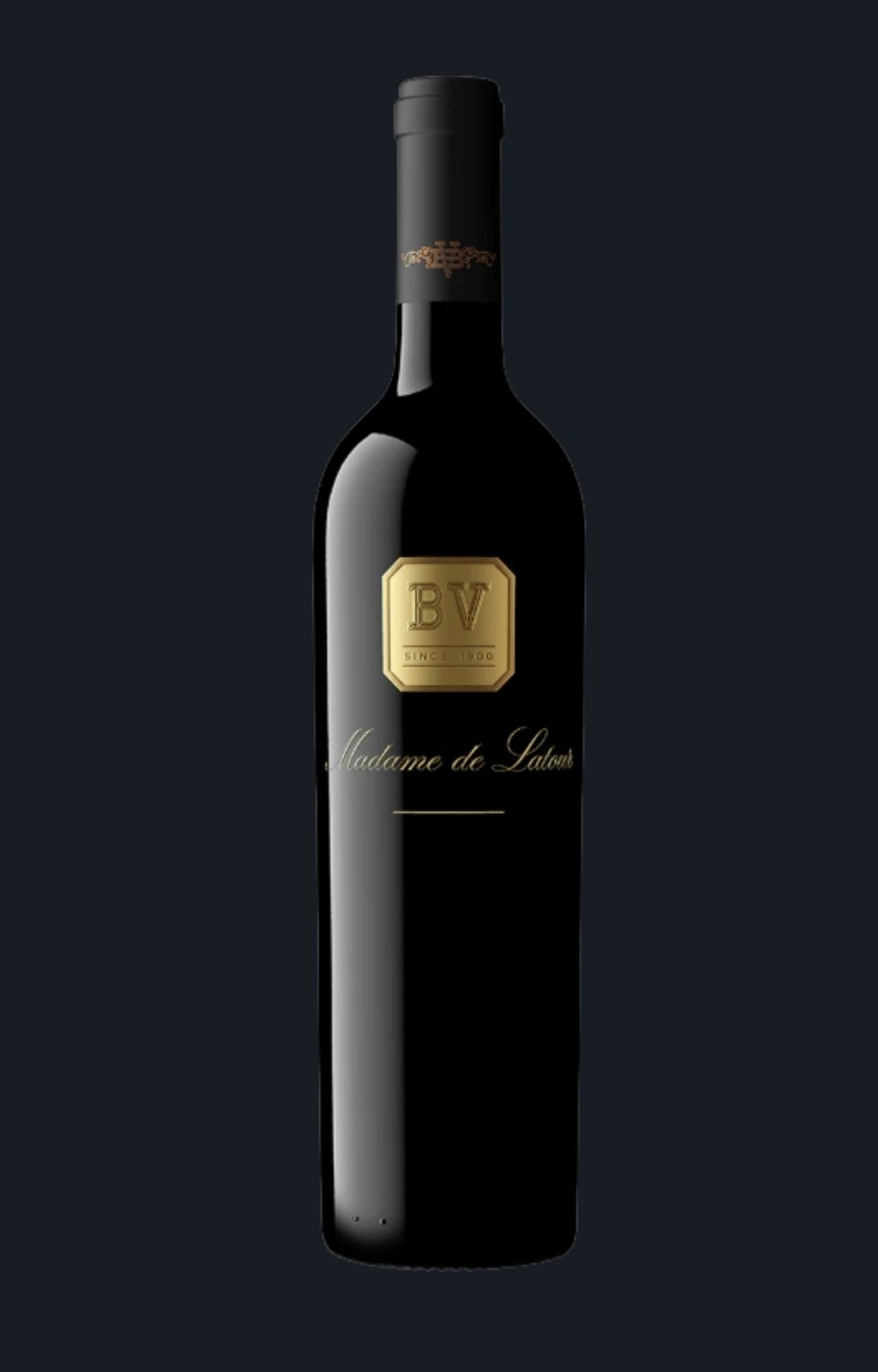 Wine Bottle Decoration Ideas That Combine Both Methods
Some projects benefit from layering techniques. A screen-printed layer establishes brand color and foundational design elements, while selective etching adds textured highlights or vintage-specific details. This hybrid approach delivers the production efficiency of screen printing with the artisan distinction of etching. A great example of this is Beaulieu Vineyard’s Madame de Latour, which showcases both techniques to create a striking, premium bottle celebrating the brand’s heritage.
Another strategy for enhancing bottle design is to extend decoration beyond the main label area. Both screen printing and etching can add designs to the neck and shoulder of bottles, allowing for additional visual interest and branding opportunities.
Why Wineries Trust Bergin for Custom Bottle Printing & Etching
Since 1989, Bergin has transformed winery visions into beautifully decorated glass bottles through in-house screen printing and etching expertise in Napa Valley. By combining both capabilities under one roof, we manage each project from concept to delivery – whether producing vibrant, high-volume estate Cabernet labels or meticulously hand-etched magnums for special releases and charity auctions.
Collaborative Approach
Every project begins with a careful evaluation of the artwork and production requirements. Our design team recommends screen printing when the design calls for vibrant, consistent color, precise registration, or larger production runs, and etching when the artwork benefits from artisan detail, tactile texture, or smaller-scale, high-impact batches.
We maintain in-house capabilities for both methods, eliminating the coordination complexity of working with separate vendors. Your screen-printed holiday release and etched reserve program flow through the same facility, managed by the same team that understands your brand standards and quality expectations.
Our expertise includes screen printing specialists who have perfected registration tolerances for complex multi-color work, and etch and paint artists who have refined their craft over decades – many for more than 25 years. This depth of experience translates to consistent results, whether you’re ordering your fifth vintage of an established design or exploring new wine bottle decoration possibilities for an upcoming release.
We also offer design consultation that considers the entire package: how bottle shape, glass and wine color interact with decoration method, how lighting conditions affect appearance, and how production quantities influence cost per unit. This guidance helps wineries make informed decisions that balance aesthetic ambition with practical constraints.
Ready to Transform Your Wine Bottles?
The choice between screen printing & etching depends on your wine’s market position, production volume, and the brand experience you want to create. Screen printing delivers bold, durable decoration accommodating a wide range of production sizes. Etching provides artisan-crafted distinction perfect for limited editions, wine club exclusives and collectible packages.
Understanding these differences positions you to select the method that best serves each wine in your portfolio.
Start your custom label consultation with our Napa Valley team. We’ll review your artwork, discuss production timelines, and recommend the decoration approach that brings your vision to life on glass.